
What is Dermal fillers?
Fillers are soft gels made of hyaluronic acid, a substance your skin already contains. Placed in the right layer, they replace lost volume and refine proportions. We plan in small amounts and build slowly, because the best filler is the one nobody can point to.
Also known as: HA fillers, Hyaluronic acid fillers, MonaLisa fillers, MonaLisa Smile, Lip fillers, Cheek fillers, Tear trough filler, Chin and jawline filler, Liquid facelift
Product we use
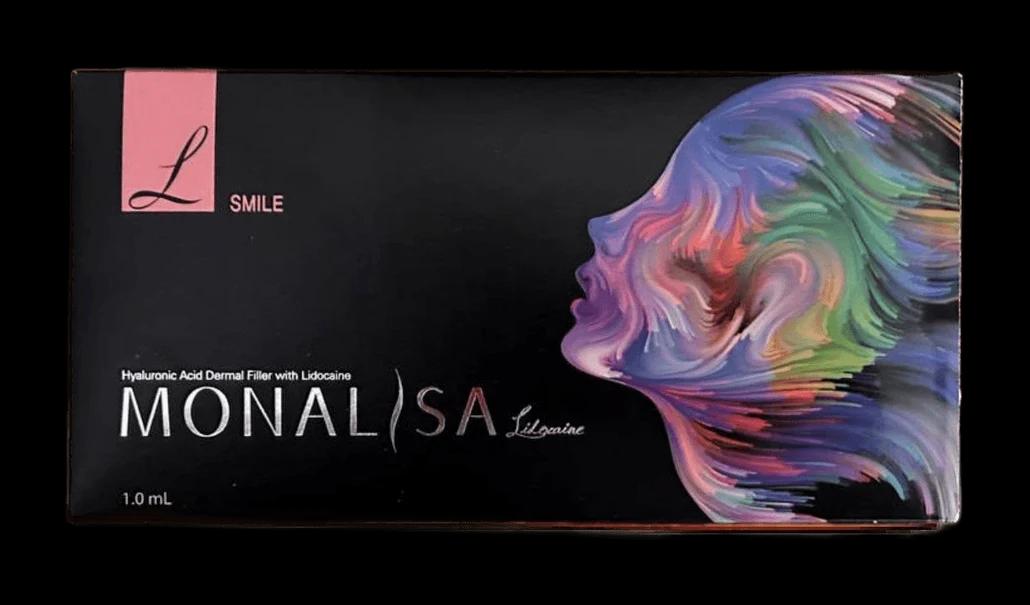
MonaLisa Smile
Genoss, South Korea · supplied in India through its authorised distributor
A hyaluronic acid filler made for the lips, with 0.3% lidocaine, a local anaesthetic that makes the injection more comfortable.
How it works
Hyaluronic acid holds water and gives gentle structural support where it is placed. Your body breaks it down over time. If needed, it can be dissolved with an enzyme called hyaluronidase.
Concerns it is used for
What to expect
- Before
A face assessment at rest and in movement, and a frank conversation about what filler can and cannot do for you.
- During
Numbing cream first, then slow placement with a needle or a blunt cannula. You see the result in a mirror as we go.
- After
Lips swell most on days one and two. Avoid alcohol, heavy exercise and pressure on the area for 48 hours.
Risks and honest caveats
Swelling, bruising and small lumps are the common effects and usually settle. A rare but serious risk is filler entering a blood vessel, which needs urgent treatment; this is why fillers should only be injected by a doctor who can recognise and manage it.
Your doctor will go through these with you, along with the alternatives, before you decide.
Who should avoid it
Not given during pregnancy or breastfeeding, with active infection, cold sores or acne at the site, or shortly before or after dental work or vaccination. People with certain autoimmune conditions or a history of severe allergy need individual assessment.
How it compares
Fillers vs collagen stimulators
Fillers give an immediate, shaped result and can be dissolved. Collagen stimulators give almost no change on the day; they firm the skin gradually over months and cannot be dissolved. Fillers suit defined areas like lips and chin, stimulators suit general loss of firmness.
What affects the cost of Dermal fillers
The cost is individual, because no two plans are the same. You are given a written figure at your consultation, before you commit to anything. It depends on:
- The area or number of areas treated
- The amount and brand of product used
- How many sessions your plan needs
- Whether treatments are combined in one visit
Common questions about Dermal fillers
What are dermal fillers made of?
The fillers we use are made of hyaluronic acid, a sugar molecule that occurs naturally in skin and holds water. It is formed into a soft gel that the body gradually breaks down.
Which filler brands do you use?
We use premium hyaluronic acid fillers, including the MonaLisa range. For lips we use MonaLisa Smile, which contains 0.3% lidocaine, a local anaesthetic that makes the injection more comfortable. Different products in a range have different firmness, and your doctor chooses the one suited to the area, such as a softer gel for lips and a firmer one for the chin or jawline.
Can filler reshape my nose?
Yes. A liquid rhinoplasty uses small amounts of filler to hide a bump, lift a drooping tip or balance a crooked nose, without surgery. It cannot make the nose smaller. It has its own page with details and risks.
Can fillers be reversed?
Hyaluronic acid fillers can be dissolved with an enzyme called hyaluronidase. This is one reason they are the preferred type, particularly for first-time patients.
How much filler will I need?
It depends on the area and your anatomy. Lips often need 0.5 to 1 ml. We prefer to begin conservatively and add at a review visit than to place too much at once.
How long does Dermal fillers take?
A session usually takes 30 – 45 minutes. Numbing cream first, then slow placement with a needle or a blunt cannula. You see the result in a mirror as we go.
Is there any downtime after Dermal fillers?
Mild swelling or bruising for 2 – 5 days. Lips swell most on days one and two. Avoid alcohol, heavy exercise and pressure on the area for 48 hours.
How many sessions of Dermal fillers will I need?
One visit; a small top-up is sometimes planned. The exact number depends on your assessment and how you respond.
How long do the results of Dermal fillers last?
About 9 – 18 months, depending on area and product. Results vary from person to person and are not guaranteed.
What are the risks of Dermal fillers?
Swelling, bruising and small lumps are the common effects and usually settle. A rare but serious risk is filler entering a blood vessel, which needs urgent treatment; this is why fillers should only be injected by a doctor who can recognise and manage it.
This page is general information, not a diagnosis or personal medical advice. Suitability, risks, recovery and results vary and are confirmed only after an in-person assessment by a doctor. No particular result is guaranteed.